The monsoon season brings relief from scorching summer temperatures, but it also introduces a new set of hair care challenges. Increased humidity, rainwater exposure, scalp infections, and excess sweating often lead to noticeable hair fall. Many people in India experience more hair shedding during the rainy season and wonder whether it is normal.
While some seasonal hair fall is common, excessive hair loss should not be ignored. Fortunately, with the right hair care routine, diet, and scalp hygiene practices, you can significantly reduce hair fall during monsoon and maintain healthy, strong hair.
In this guide, we’ll explore why hair fall increases during monsoon and share practical tips to protect your hair during the rainy season.
Why Does Hair Fall Increase During Monsoon?
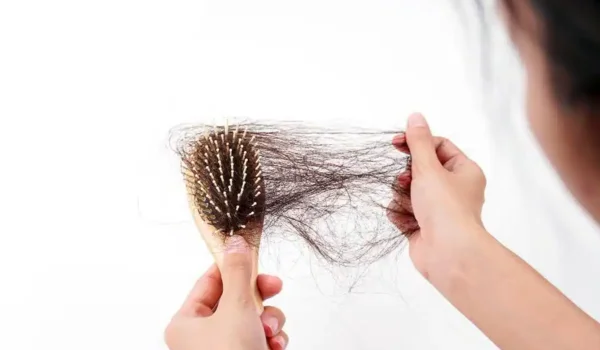
Many dermatologists and hair experts observe that seasonal hair shedding tends to increase during monsoon months.
Several factors contribute to this:
Increased Humidity
High humidity weakens hair roots and makes hair strands more prone to breakage.
Excessive Sweating
Sweat accumulation on the scalp can clog hair follicles and create an environment for fungal growth.
Rainwater Exposure
Rainwater often contains pollutants and impurities that may irritate the scalp and weaken hair.
Scalp Infections
The damp environment during monsoon can encourage fungal and bacterial growth, leading to dandruff and scalp infections.
Nutritional Deficiencies
Poor dietary habits can worsen seasonal hair fall and slow hair growth.
Signs of Excessive Monsoon Hair Fall
While losing 50 to 100 strands daily is considered normal, you may need extra care if you notice:
- Large amounts of hair on your pillow
- Excessive hair in the shower drain
- Increased hair shedding while combing
- Thinning hair volume
- Visible scalp patches
- Persistent scalp itching
Best Ways to Reduce Hair Fall During Monsoon
- Keep Your Scalp Clean
A clean scalp is essential during humid weather.
Dirt, sweat, and oil can accumulate quickly during monsoon.
What to Do
- Wash your hair 2–3 times a week
- Use a mild shampoo suitable for your scalp type
- Rinse thoroughly after sweating
Avoid over-washing, as it can strip natural oils and cause dryness.
- Dry Your Hair Properly
One of the biggest monsoon hair care mistakes is leaving hair wet for extended periods.
Wet hair is more vulnerable to damage and breakage.
Tips
- Gently towel dry your hair
- Use a microfiber towel if possible
- Allow hair to air dry naturally
- Avoid tying wet hair
Never sleep with wet hair.
- Protect Hair from Rainwater
Rainwater can contain dust, pollutants, and environmental contaminants.
Protective Measures
- Carry an umbrella
- Wear a cap when necessary
- Wash hair after heavy rain exposure
- Avoid leaving rainwater on the scalp
This simple habit can prevent scalp irritation and infection.
- Oil Your Hair the Right Way
Hair oiling can nourish the scalp and strengthen hair roots.
However, excessive oiling during humid weather may attract dirt and worsen scalp problems.
Recommended Oils
- Coconut oil
- Almond oil
- Argan oil
- Rosemary-infused oil
Best Practice
Apply oil 1–2 hours before shampooing instead of leaving it overnight.
- Use Anti-Dandruff Products If Needed
Dandruff often becomes worse during monsoon due to fungal growth.
Untreated dandruff can contribute to hair fall.
Look for Ingredients Such As
- Ketoconazole
- Zinc pyrithione
- Salicylic acid
- Tea tree oil
Consult a dermatologist if dandruff becomes severe.
- Avoid Excessive Heat Styling
Hair dryers, straighteners, and curling irons can weaken already fragile hair.
During Monsoon
- Minimize heat styling
- Use heat protectants
- Choose natural hairstyles whenever possible
Reducing heat exposure helps maintain hair strength.
- Improve Your Diet
Healthy hair begins from within.
Nutritional deficiencies are one of the leading causes of hair fall.
Include These Foods
Protein Sources
- Eggs
- Paneer
- Lentils
- Soy products
- Fish
- Chicken
Iron-Rich Foods
- Spinach
- Beetroot
- Dates
- Legumes
Omega-3 Sources
- Walnuts
- Flaxseeds
- Fatty fish
Vitamin C Sources
- Oranges
- Amla
- Guava
- Lemon
A balanced diet supports healthy hair growth and stronger follicles.
- Stay Hydrated
Many people drink less water during monsoon.
Dehydration can affect overall hair health.
Daily Goal
Aim for 2–3 liters of water daily, depending on your activity level and climate.
- Avoid Tight Hairstyles
Tight ponytails and buns can cause traction-related hair fall.
Better Alternatives
- Loose braids
- Soft ponytails
- Open hairstyles when possible
Reducing tension on the roots helps prevent unnecessary shedding.
- Massage Your Scalp Regularly
A gentle scalp massage can improve blood circulation and promote healthier hair follicles.
How to Massage
- Use fingertips, not nails
- Massage for 5–10 minutes
- Apply light pressure
This can be done with or without oil.
Natural Hair Masks for Monsoon Hair Care
Aloe Vera Hair Mask
Benefits
- Soothes the scalp
- Reduces irritation
- Hydrates hair
Yogurt and Honey Mask
Benefits
- Nourishes hair
- Improves softness
- Reduces dryness
Fenugreek Hair Pack
Benefits
- Strengthens roots
- Supports healthy hair growth
- Helps manage dandruff
Use these masks once a week for best results.
Common Hair Care Mistakes During Monsoon
Using Too Many Products
Excessive use of serums, sprays, and styling products can cause buildup.
Ignoring Scalp Health
Healthy hair starts with a healthy scalp.
Frequent Chemical Treatments
Avoid excessive coloring, rebonding, or chemical treatments during the rainy season.
Sharing Combs and Towels
This can increase the risk of scalp infections.
Monsoon Hair Care Routine
Morning
- Gently comb hair.
- Apply anti-frizz serum if needed.
- Protect hair from rain exposure.
Weekly
- Oil hair once or twice.
- Use a nourishing hair mask.
- Wash hair with a mild shampoo.
Monthly
- Trim split ends.
- Assess scalp health.
- Replace old hair accessories if necessary.
When Should You See a Dermatologist?
Seek professional advice if:
- Hair fall continues for several months
- Bald patches develop
- Severe dandruff persists
- Scalp itching becomes intense
- Hair density decreases noticeably
Underlying conditions such as thyroid disorders, anemia, hormonal imbalances, or nutritional deficiencies may require medical evaluation.
Final Verdict
Hair fall during monsoon is a common concern, but it can be managed effectively with proper scalp care, a healthy diet, and good hair hygiene. Keeping the scalp clean, protecting hair from rainwater, avoiding excessive heat styling, and maintaining proper nutrition are some of the most effective ways to reduce seasonal hair shedding.
Consistency is the key. By following a simple monsoon hair care routine and addressing scalp issues early, you can keep your hair healthy, strong, and manageable throughout the rainy season.
Frequently Asked Questions
Is hair fall during monsoon normal?
Yes. Many people experience increased hair shedding during monsoon due to humidity, scalp issues, and seasonal changes.
Which oil is best for reducing hair fall during monsoon?
Coconut oil, almond oil, and rosemary-infused oils are commonly used to support scalp health and hair strength.
How often should I wash my hair during monsoon?
Most people benefit from washing their hair 2–3 times per week, depending on scalp oiliness and exposure to sweat or rainwater.
Does rainwater cause hair fall?
Rainwater itself may not directly cause hair fall, but pollutants and contaminants present in rainwater can irritate the scalp and contribute to hair problems.
Which foods help reduce hair fall?
Protein-rich foods, leafy greens, nuts, seeds, fruits rich in vitamin C, and iron-rich foods can support healthy hair growth and reduce hair fall.

Hina Abbasi is Editor and a passionate sports and entertainment content writer at WinnersMaze.com. Hina’s expertise spans across a wide range of sports, and interest in many TV shows allowing her to deliver insightful analysis and compelling stories that resonate with readers.