Yes, car wrapping is legal in India, provided it adheres to certain guidelines and does not violate the rules set under the Motor Vehicles Act, 1988 and Central Motor Vehicle Rules (CMVR), 1989. However, specific types of wraps, especially those altering the car’s registered color or obstructing critical details like the number plate, require prior approval from the Regional Transport Office (RTO).
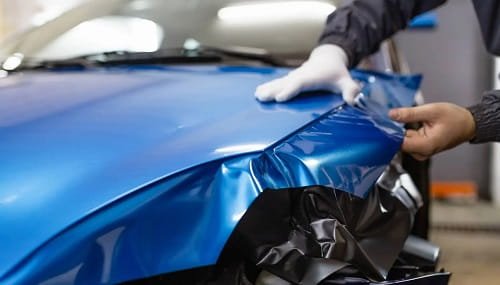
Legal Framework Governing Car Wrapping in India
Car wrapping is regulated under Indian vehicle laws to ensure safety, compliance with registration details, and uniformity. Here are the key aspects:
1. Rules Under the Motor Vehicles Act, 1988
Registered Color:
- The color of the vehicle is a mandatory detail recorded in the Registration Certificate (RC).
- Changing the car’s original color or covering it entirely with a different wrap requires prior approval from the RTO.
Structural Integrity:
- Wraps must not interfere with the structural integrity or safety features of the car.
2. Rules Under the Central Motor Vehicle Rules (CMVR), 1989
Prohibited Wraps:
- Reflective or chrome wraps that cause glare and can distract other drivers are discouraged or prohibited.
- Wraps that mimic official vehicles, emergency services, or military patterns are illegal.
Allowed Modifications:
- Partial wraps, such as those for advertising or aesthetic purposes, are permissible if they do not alter the registered color or obstruct visibility.
3. Advertising Wraps
Commercial Use:
- Vehicles used for advertising purposes must comply with state-specific rules and may require permits.
Compliance with Registration Details:
- The wrap should not cover or obscure important details like the registration number, chassis number, or manufacturer’s branding.
RTO Approval for Car Wrapping
When Approval is Needed:
- If the car wrap changes the primary color of the vehicle, owners must:
- Inform the RTO about the modification.
- Update the new color details in the RC.
Process for Approval:
- Submit an application to the local RTO with the new design or color details.
- Pay the required fees for updating the RC.
Avoiding Approval:
- Partial wraps or decals that do not alter the registered color do not require RTO approval.
Penalties for Non-Compliance
Fines:
- Using unauthorized wraps or failing to update the RC can lead to fines under the Motor Vehicles Act, ranging from ₹5,000 to ₹10,000 for a first offense.
Vehicle Impoundment:
- In severe cases, non-compliant vehicles may be impounded by traffic authorities.
Legal Action:
- Repeated violations or deliberate misuse of wraps (e.g., impersonating official vehicles) may attract further legal penalties.
Advantages of Legal Car Wrapping
Aesthetic Customization:
- Allows owners to personalize their vehicles without permanently altering the paint.
Paint Protection:
- High-quality wraps protect the original paint from scratches, dirt, and UV damage.
Reversibility:
- Wraps can be removed, restoring the vehicle’s original appearance.
Common Misconceptions
Full Wraps Without RTO Approval:
- Changing the car’s primary color without updating the RC is a violation, even if the original paint is intact underneath the wrap.
Reflective Wraps:
- While they may look appealing, reflective or high-gloss wraps are not road-legal due to their potential to cause glare.
Recent Developments
Increased Popularity:
- Car wrapping is becoming increasingly popular in urban areas due to its affordability and flexibility compared to repainting.
Stricter Enforcement:
- Traffic authorities are conducting checks to ensure compliance with color registration and safety standards.
Eco-Friendly Options:
- The market is seeing a rise in eco-friendly wraps made from sustainable materials.
How to Wrap Your Car Legally
- Choose Compliant Wraps: Opt for wraps that do not obstruct safety features or mimic prohibited designs.
- Get RTO Approval: If you plan to change the registered color, obtain prior approval and update the RC.
- Hire Certified Professionals: Use licensed service providers to ensure quality and compliance with legal requirements.
- Avoid Reflective Materials: Stick to non-reflective and matte finishes to avoid legal complications.
Conclusion
Car wrapping is legal in India, provided it complies with the Motor Vehicles Act and CMVR regulations. While aesthetic and protective wraps are allowed, those altering the registered color or using reflective materials require caution and RTO approval. Vehicle owners should ensure compliance to avoid penalties and enjoy the benefits of car wrapping responsibly.

Hina Abbasi is Editor and a passionate sports and entertainment content writer at WinnersMaze.com. Hina’s expertise spans across a wide range of sports, and interest in many TV shows allowing her to deliver insightful analysis and compelling stories that resonate with readers.