In the realm of pet care, the advent of minimally invasive Veterinary Surgery has marked a significant leap forward in ensuring the well-being and speedy recovery of animals. This revolutionary approach to surgery reduces the physical trauma associated with traditional methods, leading to quicker healing times and less discomfort for pets. In this article, we will delve into how minimally invasive techniques are reshaping veterinary care, explore the specific procedures employed, examine their impact on recovery times, and highlight real-world successes through case studies.
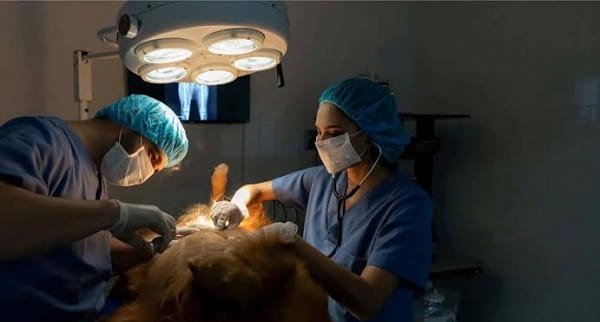
Minimally Invasive Veterinary Surgery Explained
Minimally invasive Veterinary Surgery involves techniques that limit the size of incisions and minimize disruption to the surrounding tissues. Unlike traditional surgery, which often requires large cuts and extended recovery periods, these procedures utilize specialized tools and technologies. For instance, veterinary surgeons employ Veterinary Surgery procedures using radiographic positioning devices to ensure precision during operations. Such methods are particularly beneficial when treating conditions like canine hip dysplasia, where precision and minimal tissue damage are paramount.
Moreover, the use of anesthesia monitoring equipment during these surgeries ensures that pets remain stable and comfortable throughout the procedure. This equipment carefully tracks vital signs, allowing veterinary teams to make real-time adjustments and maintain optimal conditions for the animal’s safety and comfort.
Techniques Utilized in Minimally Invasive Surgery
The techniques utilized in minimally invasive surgery are diverse and tailored to specific conditions. One common method is laparoscopic surgery, which involves the use of tiny cameras and instruments inserted through small incisions. This approach is often used for procedures like spaying and neutering, offering a safer and less invasive alternative to traditional methods. Endotracheal intubation supplies are crucial in maintaining a clear airway during such surgeries, ensuring efficient breathing for the animal.
Another technique is the use of surgical sterilization techniques that employ advanced tools to enhance precision. These procedures are particularly effective in reducing post-operative pain and speeding up recovery. Furthermore, the controlled substances log is meticulously maintained to manage medications and ensure compliance with regulatory standards, highlighting the importance of safety and accountability in veterinary practices.
Impact on Recovery Time for Pets
Minimally invasive surgery significantly reduces the recovery time for pets, allowing them to return to their normal activities much sooner. The smaller incisions and reduced tissue trauma mean that pets experience less pain and swelling, accelerating the healing process. Studies have shown that pets undergoing minimally invasive procedures often resume normal eating and activity levels within days rather than weeks.
Additionally, the use of a comprehensive pet wellness plan in conjunction with these surgeries ensures optimal recovery. This plan may include regular follow-ups and adjustments to the pet’s diet and exercise routines, fostering an environment conducive to healing. Furthermore, the integration of veterinary practice management software streamlines post-operative care, enhancing communication between veterinary professionals and pet owners.
Case Studies Demonstrating Successful Outcomes
Several case studies highlight the successful outcomes of minimally invasive Veterinary Surgery. In one instance, a dog diagnosed with canine hip dysplasia underwent a minimally invasive procedure, resulting in a rapid recovery and a notable improvement in mobility. This case underscores the effectiveness of these techniques in addressing complex orthopedic issues.
Another study focused on a cat that required surgery for a gastrointestinal obstruction. Thanks to minimally invasive techniques, including precise radiographic positioning and careful anesthesia monitoring, the feline recovered swiftly with minimal discomfort. The success of these procedures is supported by a blood coagulation profile, which ensures that the pet’s clotting ability is normal, reducing the risk of complications.
Conclusion
Minimally invasive Veterinary Surgery is transforming pet care by significantly reducing recovery times and improving outcomes for various conditions. By utilizing advanced techniques and state-of-the-art equipment, veterinary professionals can provide safer, more effective treatments. For pet owners, this means less time worrying and more time enjoying the company of their beloved animals. As the field continues to evolve, the benefits of these innovative surgical methods will only increase, ensuring a brighter, healthier future for pets everywhere.

Hina Abbasi is Editor and a passionate sports and entertainment content writer at WinnersMaze.com. Hina’s expertise spans across a wide range of sports, and interest in many TV shows allowing her to deliver insightful analysis and compelling stories that resonate with readers.