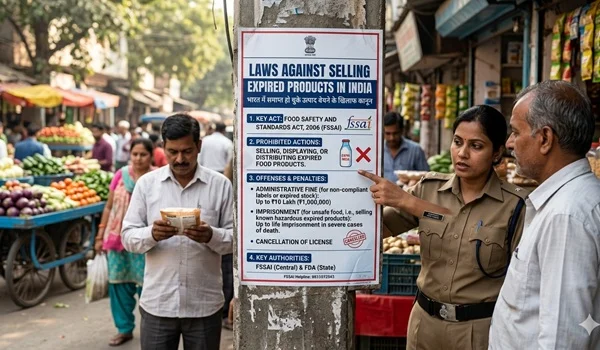
Selling expired products is a serious offense in India, as it endangers consumer health and violates consumer rights. The legal framework in India imposes strict penalties on sellers or manufacturers involved in the sale of expired goods, ensuring consumer safety and holding businesses accountable. This article delves into the laws and regulations against selling expired products in India, along with their enforcement and implications.
The Legal Framework
The sale of expired products is governed by several laws in India, including:
a. The Consumer Protection Act, 2019
The Consumer Protection Act, 2019 aims to safeguard consumer rights, including protection against hazardous goods and unfair trade practices.
Provisions:
- Selling expired products is considered an unfair trade practice under Section 2(47).
- Consumers can file a complaint in Consumer Commissions for compensation and damages.
- Penalties include:
- Replacement of the product.
- Monetary compensation for harm caused.
- Payment for mental agony or inconvenience.
b. The Legal Metrology Act, 2009
The Legal Metrology Act, 2009 governs labeling and packaging requirements for pre-packaged commodities, ensuring that consumers have accurate information.
Provisions:
- Expiry dates must be clearly printed on products, especially consumables, under the Legal Metrology (Packaged Commodities) Rules, 2011.
- Selling products beyond their expiry date is a violation.
- Penalties include:
- Fines up to ₹25,000 for the first offense.
- Increased fines for subsequent offenses, up to ₹1,00,000 or imprisonment.
c. The Food Safety and Standards Act, 2006
For food products, the Food Safety and Standards Act, 2006 (FSSA) is the primary legislation ensuring food safety and consumer protection.
Provisions:
- Section 26: No person can manufacture, store, sell, or distribute food that is unsafe or beyond its expiry date.
- Section 27: Ensures that businesses are liable for expired or unsafe food products.
- Penalties:
- Fine up to ₹5,00,000 for selling unsafe food.
- Imprisonment of up to six months in severe cases.
d. The Drugs and Cosmetics Act, 1940
For pharmaceutical products, the Drugs and Cosmetics Act, 1940 ensures the safety and efficacy of medicines.
Provisions:
- Section 18(c): Prohibits the sale of drugs beyond their expiry date.
- Penalties:
- Imprisonment of up to one year or a fine or both.
- Stricter penalties for repeat offenders or those causing harm.
e. The Essential Commodities Act, 1955
This act regulates the sale of essential goods, including expired items that may cause harm to public safety.
Provisions:
- Hoarding or selling expired essential goods is a punishable offense.
- Penalties include fines, imprisonment, and confiscation of the expired products.
Reporting and Enforcement Mechanisms
To ensure compliance with these laws, the government has established robust reporting and enforcement mechanisms:
- Food Safety Officers (FSO): Conduct inspections under the FSSA.
- Drug Inspectors: Monitor the sale of expired medicines under the Drugs and Cosmetics Act.
- Consumer Helplines: Platforms like the National Consumer Helpline (NCH) allow consumers to report violations.
- Legal Metrology Inspectors: Ensure proper labeling and compliance with packaging rules.
Consumer Rights
Under Indian law, consumers have the following rights when sold expired products:
- Right to Information: To be informed about the expiry date and other product details.
- Right to Safety: Protection against hazardous goods.
- Right to Compensation: File a claim for damages under the Consumer Protection Act.
- Right to Redressal: Seek replacement, refund, or compensation.
Penalties for Non-Compliance
The penalties for selling expired products vary depending on the nature of the product and the applicable law:
- Food Products: Up to ₹5,00,000 fine and six months imprisonment.
- Medicines: Fine and imprisonment under the Drugs and Cosmetics Act.
- Packaged Goods: Fines up to ₹1,00,000 for repeated violations under the Legal Metrology Act.
- Essential Commodities: Severe penalties, including imprisonment, under the Essential Commodities Act.
Exceptions and Defenses
Businesses may argue the following defenses in cases of alleged non-compliance:
- Unintentional Error: The expired product was sold unknowingly, and corrective action was immediately taken.
- Tampering by Third Parties: The product’s expiry details were altered by external agents.
However, these defenses are subject to verification, and negligence is not excused.
Challenges in Implementation
Despite the comprehensive legal framework, challenges remain in enforcing these laws:
- Lack of consumer awareness about their rights and the relevant laws.
- Inadequate inspections in remote or unorganized retail sectors.
- Delays in legal redressal due to overloaded judicial systems.
The Way Forward
To strengthen compliance and ensure consumer safety:
- Awareness Campaigns: Educate consumers about the risks of expired products and their legal rights.
- Stricter Inspections: Increase frequency and rigor of inspections by enforcement agencies.
- Technology Use: Implement digital systems for monitoring expiry dates in retail chains.
- Penal Enhancements: Introduce harsher penalties for repeated violations to deter offenders.
Conclusion
The sale of expired products poses a significant threat to public health and safety. India’s legal framework provides robust measures to address this issue, but effective enforcement and public awareness are crucial for its success. Consumers must remain vigilant and report violations to hold businesses accountable. By fostering a culture of compliance and awareness, India can ensure safer markets and better protection for its citizens.

Hina Abbasi is Editor and a passionate sports and entertainment content writer at WinnersMaze.com. Hina’s expertise spans across a wide range of sports, and interest in many TV shows allowing her to deliver insightful analysis and compelling stories that resonate with readers.