Climate conversations gravitate toward electric cars and rooftop solar because they are visible. The harder half of the problem is invisible: the enormous quantity of heat that manufacturing consumes every hour of every day. Companies operating in that space — including the business behind the Steamhouse India IPO — work on a decarbonisation frontier that almost never makes headlines, and Winners Maze readers deserve a proper look at why it matters.
Heat Is Harder Than Electricity
Swapping a coal power station for a solar farm is conceptually simple: electrons are electrons. Process heat does not work that way. A dyeing unit needs saturated steam at a specific pressure. A distillation column needs a particular thermal profile. A food processing line needs steam that meets hygiene standards.
You cannot deliver those requirements with an intermittent renewable source and a battery at anything resembling sensible cost. Which is why industrial heat remains stubbornly fossil-dependent across most of the world, and why incremental improvements in this domain deliver outsized emission reductions.
There is a reason this problem attracts patient industrial capital rather than headlines. Anyone reviewing the current upcoming ipo calendar for companies with genuine environmental substance, rather than a green paragraph in the brochure, will usually find that the serious names in process heat are the ones that control their own fuel supply chain.
Three Levers That Actually Move The Needle
The realistic near-term options are unglamorous but effective:
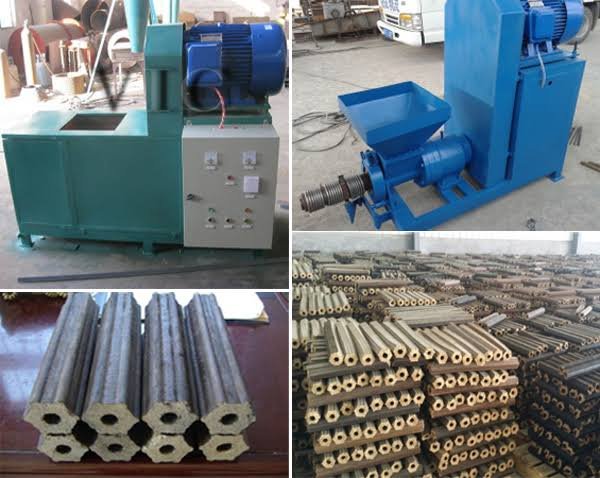
- Fuel substitution. Replacing coal with agricultural residue — rice husk, groundnut shell, sawdust, compressed briquettes — swaps fossil carbon for carbon that was in the atmosphere a season ago.
- Scale efficiency. A large, professionally operated boiler running near design load converts a far higher share of fuel energy into usable steam than a small captive unit cycling irregularly.
- Consolidating dozens of small boilers into one plant eliminates the cumulative losses, leakages and idle-fire consumption of a fragmented setup.
None of these require a technological breakthrough. They require capital, logistics and operating discipline — which is precisely why they get built by companies rather than laboratories.
The Agricultural Supply Chain Nobody Sees
Biomass fuel has a fascinating hidden economy behind it. Crop residue is generated seasonally across scattered farms, has low energy density in raw form, and degrades if stored badly. Turning it into a reliable industrial fuel requires collection networks, drying, briquetting, storage capacity that spans the gap between harvests, and quality control on moisture content.
Building that chain is genuinely difficult and creates rural income where residue was previously burned in fields.
Where The Risks Genuinely Sit
Honest assessment requires naming the vulnerabilities:
- Seasonality of biomass supply can push operators back to fossil fuels during lean months
- Fuel price volatility hurts unless contracts allow pass-through to customers
- Customer concentration in a single industrial cluster ties fortunes to that cluster’s health
- Regulatory shifts on emissions can require unplanned capital expenditure
- Pipeline capital intensity means expansion consumes cash before it generates returns
A cluster dominated by one industry — textiles, say — carries correlated demand risk. When that industry has a bad year, every customer reduces offtake simultaneously.
The Metric That Tells The Real Story
Steam-to-fuel ratio is the number worth learning. It expresses how many kilograms of steam a plant produces per kilogram of fuel burned. Small improvements compound enormously across a plant running continuously, and the difference between a well-maintained modern unit and a neglected one is substantial.
Alongside it sit capacity utilisation, distribution losses across the pipeline network, and the proportion of revenue covered by minimum-offtake commitments.
A Different Definition Of Infrastructure
We tend to reserve the word infrastructure for roads, ports and power lines. Yet a steam distribution network serving an industrial estate performs the same economic function — shared capital that many businesses use so that none of them individually must build it.
That shared model is what makes small and mid-sized manufacturers competitive. A textile processor in a cluster with reliable utility supply can commit capital to looms and finishing equipment rather than to a boiler house. Multiply that across hundreds of units and the effect on regional industrial capability becomes significant, even though no one ever photographs a pipeline for a magazine cover.

Hina Abbasi is Editor and a passionate sports and entertainment content writer at WinnersMaze.com. Hina’s expertise spans across a wide range of sports, and interest in many TV shows allowing her to deliver insightful analysis and compelling stories that resonate with readers.