Yes, it is legal to install CCTV cameras at home in India for security purposes. However, the installation and use of CCTV systems must comply with privacy laws and ethical considerations to ensure they do not infringe on the rights of others. While there are no specific laws exclusively governing CCTV installation, general provisions under the Indian Penal Code (IPC) and Information Technology Act, 2000 apply to safeguard privacy and prevent misuse.
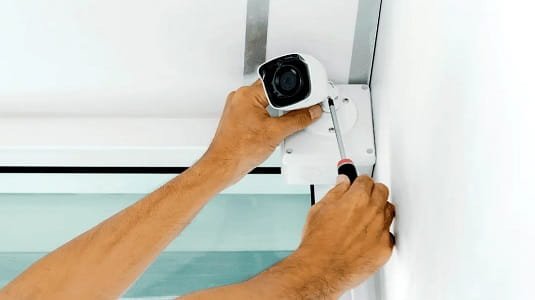
Legal and Ethical Framework for CCTV Installation at Home
1. Purpose and Legality
Home Security:
- Installing CCTV cameras for monitoring your property, such as entrances, driveways, or common areas within your residence, is entirely legal.
Privacy Considerations:
- The installation should not invade the privacy of others, such as neighbors, tenants, or domestic staff, without their consent.
2. Key Legal Provisions
Right to Privacy:
- The Right to Privacy, upheld as a fundamental right under Article 21 of the Indian Constitution in the Puttaswamy case (2017), restricts any act that invades someone’s private space without consent.
- Installing CCTV cameras in private areas like bathrooms or bedrooms of tenants or domestic staff without explicit consent is illegal.
Section 66E of the Information Technology Act, 2000:
- Capturing or sharing images of a person without their consent that violate their privacy is punishable under this section.
Penalty: Imprisonment up to 3 years or a fine of up to ₹2 lakh, or both.
Indian Penal Code (IPC):
- Section 354C (Voyeurism): Using CCTV to capture images of individuals in private acts without their knowledge is a criminal offense.
- Section 499 (Defamation): Misusing CCTV footage to harm someone’s reputation can result in defamation charges.
Data Protection:
- The proposed Digital Personal Data Protection Bill, 2023, emphasizes safeguarding personal data collected through devices like CCTV cameras.
3. Areas of Concern
Neighboring Properties:
- Cameras should not directly point toward neighbors’ homes or properties without their consent to avoid privacy violations.
Common Areas in Shared Residences:
- In housing societies or apartments, installing cameras in shared areas like lobbies or staircases may require consent from other residents or the housing association.
Recording Audio:
- Recording audio along with video may require additional consent, as it raises more significant privacy concerns.
Guidelines for Installing CCTV at Home Legally
Place Cameras Responsibly:
- Focus on areas like your front door, driveway, or backyard to ensure they monitor your property without infringing on others’ privacy.
Inform Relevant Parties:
- Notify domestic staff, tenants, or regular visitors about the presence of CCTV cameras and their purpose.
Avoid Recording Sensitive Areas:
- Do not install cameras in private spaces such as bathrooms, bedrooms, or areas where individuals may expect privacy.
Store Data Securely:
- Secure the footage with passwords or encryption to prevent unauthorized access or misuse.
Display Signage:
- While not mandatory, placing a sign indicating the presence of CCTV cameras can enhance transparency and deter potential intrusions.
Misuse and Consequences
Unauthorized Recording:
- Recording individuals without their knowledge or consent in private areas can result in criminal charges.
Unauthorized Sharing of Footage:
- Sharing CCTV footage without consent, especially for defamation or exploitation, can attract penalties under the IT Act and IPC.
Breach of Data Security:
- If CCTV footage is leaked or hacked, it can lead to legal liability for negligence in data protection.
Penalties for Violations
- Privacy Invasion: Up to 3 years imprisonment and/or a fine under Section 66E of the IT Act.
- Voyeurism: Imprisonment of up to 7 years for first-time offenders under Section 354C of the IPC.
- Defamation: Imprisonment of up to 2 years or a fine, or both, under Section 499 of the IPC.
Practical Benefits of Installing CCTV at Home
- Enhanced Security: Deters theft, vandalism, and other security threats.
- Remote Monitoring: Allows homeowners to monitor their property in real-time, even when away.
- Evidence Collection: Provides valuable evidence in case of legal disputes or criminal investigations.
Recent Developments and Trends
- Smart CCTV Systems: Adoption of AI-powered cameras with facial recognition and motion detection is increasing, raising additional privacy concerns.
- Community Surveillance: Residential societies are increasingly using CCTV for shared security, often requiring consensus among residents.
- Government Regulations: Discussions are ongoing regarding the regulation of private surveillance to balance security needs with privacy concerns.
Conclusion
Installing CCTV at home is legal in India, provided it is done responsibly and respects the privacy of others. Homeowners should focus on securing their property without infringing on neighbors’ or tenants’ rights. Compliance with privacy laws, ethical considerations, and proper data protection practices ensures that CCTV usage remains a valuable tool for security while adhering to legal standards.

Hina Abbasi is Editor and a passionate sports and entertainment content writer at WinnersMaze.com. Hina’s expertise spans across a wide range of sports, and interest in many TV shows allowing her to deliver insightful analysis and compelling stories that resonate with readers.