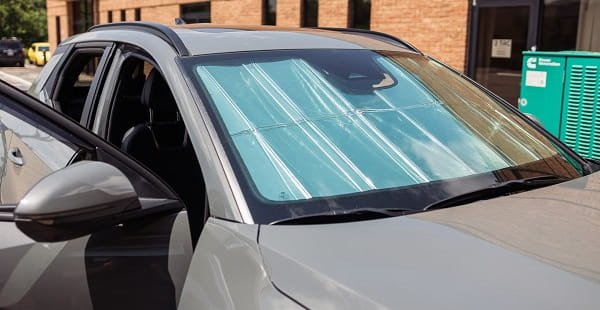
No, using sun shades or tinted films on car windows that obstruct visibility is not legal in India. The Supreme Court of India has issued clear directives prohibiting the use of any material that reduces transparency below the prescribed limits, as per Rule 100 of the Central Motor Vehicles Rules, 1989.
Legal Framework Governing Sun Shades and Tinted Films in India
1. Supreme Court Judgment (2012)
In Avishek Goenka vs. Union of India, the Supreme Court banned the use of tinted films or sun shades that violate visibility standards, irrespective of whether they were factory-fitted or aftermarket installations.
- Reason: These materials were found to aid criminal activities by obstructing visibility into the vehicle and endangering public safety.
2. Central Motor Vehicles Rules, 1989
- Rule 100(2): Specifies the permissible limits for vehicle window transparency:
- Front and rear windshields: Minimum 70% visibility.
- Side windows: Minimum 50% visibility.
- Sun shades or tinted films that reduce visibility below these levels are considered illegal.
3. Penalties Under the Motor Vehicles Act, 1988
- Violation of the prescribed transparency norms can lead to fines under the Motor Vehicles Act.
- Penalty: Fines range from ₹500 for a first-time offense to ₹1,000 or more for repeated violations, as per state-specific amendments.
Permissible Use of Sun Shades
1. Factory-Fitted Glass
- Cars with factory-fitted tinted glass that adheres to the visibility standards (minimum 70% for windshields and 50% for side windows) are allowed.
2. Temporary Sun Shades
- Detachable or removable sun shades can be used when the car is stationary, such as when parked, but they must be removed while driving.
3. Special Permissions
- Vehicles used by government officials, VVIPs, or law enforcement agencies may be granted exemptions, but only under specific conditions and with proper documentation.
Reasons for the Ban on Sun Shades
1. Public Safety
- Reduced visibility due to sun shades or dark films has been linked to criminal activities, such as kidnapping and theft. The ban aims to enhance safety by ensuring transparency.
2. Road Safety
- Obstruction of visibility affects the driver’s ability to see pedestrians, cyclists, or other vehicles, increasing the risk of accidents.
3. Law Enforcement
- Clear visibility into the vehicle allows law enforcement to perform security checks effectively.
Consequences of Non-Compliance
1. Fines and Vehicle Seizure
- Traffic police are authorized to impose fines for violations and, in some cases, may remove the tinted film or sun shades on the spot.
2. Insurance Implications
- In the event of an accident, insurance claims may be affected if it is found that illegal sun shades or films contributed to the incident.
3. Repeat Offenses
- Persistent violations may result in higher fines, suspension of driving licenses, or even legal proceedings.
Alternatives to Sun Shades
1. UV-Reflective Films
- Opt for transparent UV-reflective films that comply with the visibility norms. These provide heat protection without violating the law.
2. Sun Visors
- Use internal sun visors that come standard in vehicles for glare protection.
3. Window Curtains
- Some cars come with retractable window curtains that are factory-installed and comply with legal standards.
4. Park Smart
- Park vehicles in shaded areas or use car covers to reduce interior heating instead of relying on sun shades.
Recent Developments
1. Increased Enforcement
- Traffic police in cities like Delhi, Mumbai, and Bengaluru have intensified checks for violations, particularly in high-security zones.
2. Campaigns
- Governments and NGOs have initiated campaigns to educate drivers about the legal and safety aspects of using sun shades and tinted films.
3. Technology Advancements
- Automakers are increasingly using factory-fitted glass with advanced heat-resistant and UV-blocking properties that comply with legal norms.
Conclusion
Using sun shades or tinted films on car windows is illegal in India if they reduce visibility below the prescribed limits. The law aims to enhance road safety, prevent crime, and aid law enforcement. Drivers should ensure their vehicles comply with transparency norms and explore legal alternatives like UV-reflective films or sun visors to mitigate heat and glare without violating the law. Compliance with these regulations ensures a safer driving environment for all.

Hina Abbasi is Editor and a passionate sports and entertainment content writer at WinnersMaze.com. Hina’s expertise spans across a wide range of sports, and interest in many TV shows allowing her to deliver insightful analysis and compelling stories that resonate with readers.