Oily skin has a reputation for being difficult to manage, and honestly, much of that stems from how people approach it. The instinct is usually to strip the skin of as much oil as possible, wash the face multiple times a day, and skip moisturizer altogether. That approach tends to backfire. When the skin is stripped too aggressively, it often overproduces oil to compensate, and you end up in a cycle that makes things worse, not better.
Understanding why the skin produces excess oil is a reasonable place to start. Sebaceous glands sit beneath the surface and produce sebum, a natural oil that helps protect and hydrate the skin. In oily skin, these glands are more active than average, which leads to the familiar shine, the heavy feeling by midday, and the blocked pores that follow. Climate plays a role in this, too. In humid conditions, which are common across large parts of India, the skin tends to produce even more sebum, so what might be mild oiliness in a dry climate can become much more prominent here.
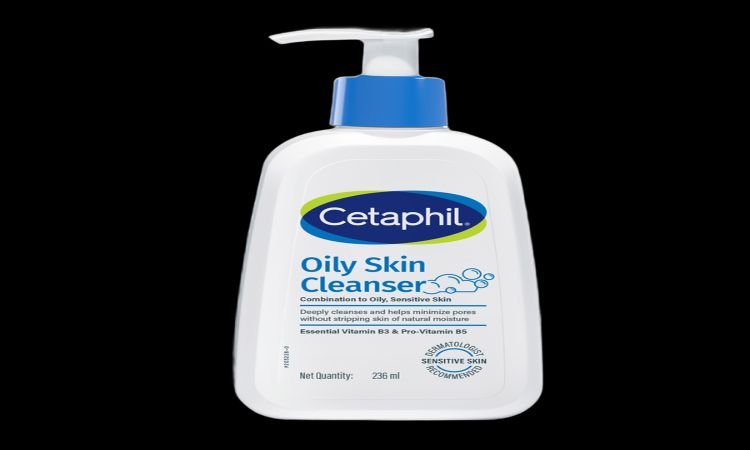
Why the Cleanser You Choose Actually Matters
A cleanser is where most people start, and it is also where many mistakes happen. Foaming cleansers tend to be popular for oily skin because they create a lather that feels like it is doing a thorough job, and many of them do work well. The key thing to look for is whether the formula is non-comedogenic, meaning it will not block pores, and whether it cleans without leaving the skin feeling tight or dry after washing. A cleanser that leaves the skin feeling squeaky and stripped is not actually helping, even if it removes oil in the short term.
Salicylic acid is an ingredient worth paying attention to in oily skin cleansers because it penetrates the pores and clears debris from within. They focus on surface-level oil removal but ignore what is happening inside the pores, which is often where breakouts and congestion come from.
The Moisturizer Question — and Why Skipping It Does Not Help
This comes up more often than expected: people with oily skin who are convinced they do not need a moisturizer. The logic seems reasonable enough. If the skin already produces oil, why add more? But oil and hydration are not the same thing. The skin can be oily and dehydrated at the same time, and when it lacks adequate water content, it can actually trigger more oil production. A lightweight, water-based moisturizer that absorbs without leaving a film on the face and addresses hydration without contributing to shine.
Brands like Cetaphil have formulated their moisturizers for oily skin to deliver hydration with a matte finish. The idea behind this is straightforward: give the skin what it needs without adding anything that worsens oiliness. Niacinamide is another ingredient that shows up in products for this skin type, and for good reason. It helps regulate sebum production over time and supports the skin barrier, which is often overlooked in conversations about skin care products for oily skin.
Sunscreen and Serums: the Steps That Often Get Skipped
Sunscreen is not optional, even for oily skin. Over time, UV exposure can affect skin texture, worsen dark spots, and damage the skin barrier; no amount of good cleansing or moisturizing will undo that. The concern with sunscreen for oily skin is usually that heavy, occlusive formulas do not work well and can cause congestion. Oil-free sunscreens with an SPF of at least 30 are generally the appropriate choice, and many of them are light enough to sit comfortably on oily skin without adding greasiness.
Serums can be useful as well, though not every oily skin type needs one. If there are specific concerns like uneven texture, dull skin, or persistent shine, a targeted serum with hyaluronic acid or niacinamide can address those without overloading the routine. The general principle with oily skin is to keep the routine simple and effective. A cleanser, a light moisturizer, and sunscreen in the morning will cover most bases for most people. Additional products can be added if there is a specific reason.
Knowing what each product does and what your skin actually needs makes selecting skin care products for oily skin much more straightforward than it might seem at first.

Hina Abbasi is Editor and a passionate sports and entertainment content writer at WinnersMaze.com. Hina’s expertise spans across a wide range of sports, and interest in many TV shows allowing her to deliver insightful analysis and compelling stories that resonate with readers.