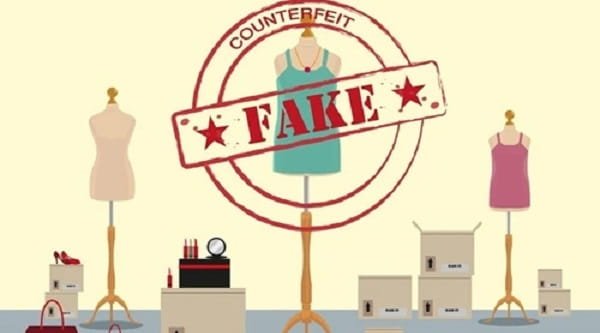
The sale of fake products has become a pervasive issue in India, affecting consumer trust, brand reputation, and economic integrity. Counterfeit goods, ranging from luxury items and electronics to pharmaceuticals and daily-use products, pose risks to public health and safety, in addition to causing financial losses to businesses and consumers alike. Recognizing these threats, Indian law provides stringent mechanisms to curb the sale of fake products and protect consumer interests.
This article delves into the legal framework against selling fake products in India, highlighting key laws, penalties, and the rights of consumers.
Key Laws Governing the Sale of Fake Products in India
Several laws in India address the sale of counterfeit goods, imposing liabilities on manufacturers, sellers, and distributors involved in such activities.
1. The Consumer Protection Act, 2019
- Purpose: Protects the rights of consumers against unfair trade practices, including the sale of fake products.
Provisions:
- Consumers can file complaints against sellers of counterfeit goods in Consumer Dispute Redressal Commissions.
- The act empowers regulators to investigate complaints and impose penalties for misleading advertisements or unfair practices.
- Penalty: Compensation to affected consumers, fines, and imprisonment for offenders.
2. The Trademarks Act, 1999
- Purpose: Protects the intellectual property rights of trademark owners and prevents the sale of counterfeit products bearing false trademarks.
- Provisions: Selling or distributing goods with a counterfeit trademark is a punishable offense.
- Penalty: Up to ₹2 lakh in fines and/or imprisonment for up to three years.
3. The Drugs and Cosmetics Act, 1940
- Purpose: Ensures the safety and efficacy of pharmaceutical products and cosmetics.
- Provisions: Manufacturing, selling, or distributing fake medicines or cosmetics is strictly prohibited.
- Penalty: For spurious drugs, imprisonment up to life and fines up to ₹10 lakh or three times the value of the drugs confiscated.
4. The Indian Penal Code, 1860
- Purpose: Addresses cheating, forgery, and other fraudulent activities associated with counterfeit goods.
Provisions:
- Section 420: Cheating and dishonestly inducing delivery of property.
- Section 489: Counterfeiting property marks.
- Penalty: Imprisonment up to seven years and/or fines.
5. The Legal Metrology Act, 2009
- Purpose: Regulates the packaging and labeling of goods to ensure accurate representation of quantity, quality, and standards.
- Provisions: Selling goods with false weights or misleading information is punishable.
- Penalty: Fines up to ₹1 lakh and imprisonment up to one year.
Consumer Rights Against Fake Products
Indian law empowers consumers with rights and remedies against counterfeit goods:
- Right to File Complaints: Consumers can file complaints in consumer courts or with the Central Consumer Protection Authority (CCPA).
- Right to Compensation: Victims of counterfeit products can seek compensation for financial losses or damages.
- Right to Information: Consumers have the right to full and accurate information about a product’s quality and authenticity.
- Right to Redressal: Quick dispute resolution mechanisms are available through online and offline platforms.
Penalties for Sellers of Fake Products
Sellers of counterfeit goods face severe consequences under Indian law:
- Fines: Penalties can range from ₹10,000 to ₹10 lakh, depending on the nature and scale of the offense.
- Imprisonment: Offenders may face imprisonment ranging from six months to life, particularly in cases involving public health risks, such as counterfeit drugs.
- Civil Liabilities: Businesses selling fake goods may also face civil suits for damages and injunctions.
Challenges in Enforcing Anti-Counterfeit Laws
Despite the robust legal framework, enforcement faces several challenges:
- Lack of Consumer Awareness: Many consumers remain unaware of their rights and the mechanisms to report counterfeit goods.
- Difficulty in Tracing Sources: Identifying and penalizing the originators of fake goods can be challenging, especially with complex supply chains.
- Proliferation of E-commerce: The rise of online platforms has made it easier for counterfeit sellers to reach consumers anonymously.
- Resource Constraints: Enforcement agencies often lack the manpower and resources to combat counterfeiting effectively.
Steps to Strengthen the Fight Against Counterfeit Goods
1. Enhancing Consumer Awareness
- Conduct public campaigns to educate consumers about identifying fake products and their legal remedies.
2. Stringent E-commerce Regulations
- Online platforms should be mandated to verify the authenticity of sellers and their products.
3. Increased Penalties
- Heavier penalties for repeat offenders can serve as a deterrent.
4. Technology Integration
- Encourage the use of advanced tracking technologies, such as blockchain, QR codes, and holograms, to verify product authenticity.
5. Capacity Building for Enforcement Agencies
- Strengthen resources and training for police, customs, and regulatory bodies to improve enforcement.
Conclusion
The sale of fake products is not just an economic crime but a violation of consumer rights and trust. Indian law provides a robust framework to curb this menace, but effective implementation, coupled with consumer awareness and technological interventions, is crucial. By fostering collaboration among stakeholders—government agencies, businesses, and consumers—India can take significant strides toward eradicating counterfeit goods from the market, ensuring a fair and safe environment for all.

Hina Abbasi is Editor and a passionate sports and entertainment content writer at WinnersMaze.com. Hina’s expertise spans across a wide range of sports, and interest in many TV shows allowing her to deliver insightful analysis and compelling stories that resonate with readers.