Yes, selling petrol in bottles in India is illegal unless explicitly authorized by law. The sale and distribution of petrol are governed by strict regulations under the Petroleum Act, 1934 and related rules, which prohibit unauthorized sale and storage of petrol due to safety, environmental, and regulatory concerns.
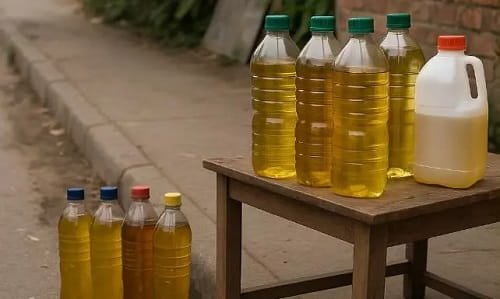
Legal Framework Governing the Sale of Petrol in India
1. Petroleum Act, 1934
- Section 3: Regulates the storage and sale of petroleum products. Unauthorized sale or storage of petrol is a violation of this Act.
- Section 4: Requires individuals or entities to obtain a license to store or sell petrol. Selling petrol in bottles without a license is punishable.
2. Petroleum Rules, 2002
- Rule 90: Prohibits decanting or selling petrol in containers, including bottles, unless approved by a licensed entity for specific purposes.
- Only authorized petrol pumps can legally sell petrol, and it must be dispensed into approved containers under controlled conditions.
3. Explosives Act, 1884
- Petrol is a highly flammable substance classified as an explosive. Selling it in bottles poses significant safety risks and is restricted under this Act.
- Unauthorized handling or sale can lead to penalties, including imprisonment.
4. Essential Commodities Act, 1955
- Petrol is considered an essential commodity, and its sale is regulated to ensure fair distribution and prevent illegal hoarding or black-market practices.
Why Selling Petrol in Bottles Is Prohibited
1. Safety Risks
- Petrol is highly flammable and poses fire hazards, especially when stored in bottles or unapproved containers.
- Improper handling or accidental spillage can lead to explosions or fires.
2. Environmental Concerns
- Storing petrol in bottles can result in leakage, contaminating the soil and water and causing significant environmental damage.
3. Unregulated Transactions
- Selling petrol in bottles bypasses quality control and safety measures, increasing the risk of adulteration and fraud.
4. Revenue Loss
- Unauthorized sales result in tax evasion, causing revenue losses for the government.
Penalties for Selling Petrol in Bottles
1. Fines and Imprisonment
- Under the Petroleum Act, violators can face imprisonment of up to 3 years, a fine, or both.
2. Seizure of Goods
- Petrol sold or stored illegally is confiscated by authorities, and the premises used for such activities may be sealed.
3. License Suspension
- Licensed sellers found violating rules by selling petrol in unauthorized ways risk suspension or cancellation of their license.
Exceptions to the Rule
1. Authorized Containers
- Petrol can be legally sold in government-approved containers, such as jerry cans, for specific purposes like agricultural or industrial use.
- The containers must meet the safety standards prescribed by the Petroleum Rules.
2. Emergency Situations
- In rare cases, local authorities may permit temporary sale of petrol in containers during emergencies, provided all safety protocols are followed.
Recent Developments and Enforcement
1. Increased Crackdowns
- Authorities in several states have intensified inspections and penalties for illegal petrol sales to curb black-market activities and ensure public safety.
2. Public Awareness Campaigns
- Governments and NGOs are educating the public about the risks of buying petrol in bottles and encouraging legal alternatives.
3. Digital Payment Initiatives
- Many petrol pumps now encourage cashless transactions, reducing the need for unregulated sales.
Alternatives for Individuals Needing Petrol in Small Quantities
1. Purchase from Authorized Dealers
- Petrol should only be bought from authorized petrol pumps in approved containers.
2. Use Portable Fuel Containers
- Invest in government-approved portable fuel containers that meet safety standards.
3. Plan Ahead
- Avoid running out of fuel by planning refills in advance, especially in remote areas where petrol pumps may be scarce.
Conclusion
Selling petrol in bottles is illegal in India due to safety, environmental, and regulatory concerns. The Petroleum Act, 1934, and related rules strictly regulate the sale and storage of petrol to ensure public safety and prevent unauthorized transactions. Individuals and entities must adhere to these laws by purchasing petrol only from authorized dealers and using approved containers. Non-compliance can result in severe penalties, including fines, imprisonment, and confiscation of goods. For safety and legal compliance, always follow the prescribed regulations when handling or purchasing petrol.

Hina Abbasi is Editor and a passionate sports and entertainment content writer at WinnersMaze.com. Hina’s expertise spans across a wide range of sports, and interest in many TV shows allowing her to deliver insightful analysis and compelling stories that resonate with readers.