Yes, kissing in public is legal in India. However, it can lead to legal trouble under certain circumstances if it is deemed to violate public decency or morality. The Indian Penal Code (IPC) and local laws allow authorities to act if public displays of affection (PDA), including kissing, are considered obscene or offensive.
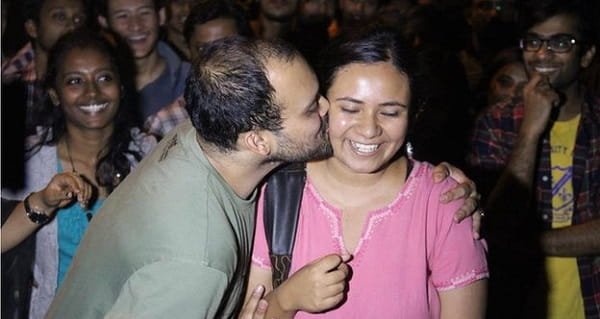
Legal Framework Governing Public Displays of Affection in India
Public displays of affection, such as kissing, are not explicitly banned in Indian law, but they are subject to interpretation under specific legal provisions.
1. Section 294 of the Indian Penal Code (IPC)
Definition:
- Section 294 penalizes anyone who commits an act that is obscene in a public place and causes annoyance to others.
Interpretation:
- The term “obscene” is not clearly defined in the IPC, leaving its interpretation to the discretion of law enforcement and courts.
- Kissing in public may be considered obscene if it:
- Offends public morality.
- Annoys or disturbs others.
Punishment:
- Offenders may face imprisonment for up to 3 months, a fine, or both.
2. Constitutional Rights vs. Morality Laws
1. Right to Privacy:
- The Right to Privacy, upheld by the Supreme Court in the Puttaswamy case (2017), protects consensual acts between adults.
- However, acts performed in public spaces may not fall under this right.
2. Freedom of Expression:
- Public displays of affection can be seen as a form of freedom of expression, protected under Article 19(1)(a) of the Indian Constitution.
- This right is subject to reasonable restrictions, including public decency and morality.
Factors Influencing Legality
1. Location:
- Kissing in places like parks, streets, or other public areas is more likely to draw legal scrutiny compared to private or semi-private venues.
2. Cultural Sensitivity:
- India’s diverse and conservative cultural norms can influence how acts like kissing are perceived and treated by law enforcement and society.
3. Intent and Context:
- If the act is consensual and not intended to offend or disturb others, it is less likely to be considered a legal issue.
Judicial Precedents
1. S. Khushboo vs. Kanniammal (2010):
- The Supreme Court emphasized the need to differentiate between public morality and individual freedoms.
2. Shilpa Shetty-Richard Gere Case (2007):
- A kiss during a public event led to legal action under obscenity laws but was dismissed as an overreach of moral policing.
3. Recent Observations:
- Courts have criticized unnecessary moral policing and emphasized that consensual public displays of affection should not attract criminal charges unless they are indecent or offensive.
Challenges and Concerns
1. Ambiguity in Laws:
- The lack of a clear definition of “obscenity” in the IPC leaves room for subjective enforcement.
2. Moral Policing:
- Incidents of moral policing by vigilante groups or even law enforcement officers can lead to harassment of couples engaging in PDA.
3. Cultural Stigma:
- Despite legal protections, societal disapproval of public affection often results in public shaming or interference.
How to Avoid Legal Trouble
1. Be Mindful of Location:
- Avoid public displays of affection in areas with high foot traffic or conservative settings.
2. Exercise Discretion:
- Respect local cultural norms and be cautious about offending others.
3. Know Your Rights:
- Understand that consensual acts between adults are protected by law, but ensure your actions do not breach public decency.
Recent Developments
1. Growing Acceptance:
- Urban areas in India are gradually becoming more accepting of public displays of affection, reflecting changing social norms.
2. Court Interventions:
- The judiciary has consistently discouraged unnecessary moral policing and emphasized individual freedoms.
3. Awareness Campaigns:
- Activists and organizations are working to educate people about their rights and challenge outdated notions of public morality.
Conclusion
Kissing in public is legal in India, but it is subject to societal and legal interpretations of obscenity and public decency. While courts have increasingly upheld individual freedoms, cultural sensitivities and ambiguous laws can lead to challenges. Couples should exercise discretion and be mindful of their surroundings to avoid unnecessary legal or social complications.

Hina Abbasi is Editor and a passionate sports and entertainment content writer at WinnersMaze.com. Hina’s expertise spans across a wide range of sports, and interest in many TV shows allowing her to deliver insightful analysis and compelling stories that resonate with readers.