Plastic pollution is a critical environmental issue in India, threatening ecosystems, wildlife, and public health. With plastic waste constituting a significant portion of urban solid waste, its improper disposal and non-biodegradable nature have exacerbated the problem. Recognizing this, India has implemented several legal measures to curb plastic pollution and promote sustainable practices.
This article explores the legal framework, initiatives, and challenges in combating plastic pollution in India.
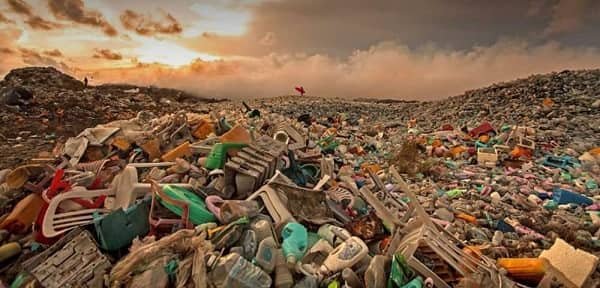
Plastic Pollution: The Growing Concern
India generates approximately 3.5 million tons of plastic waste annually, with a significant portion ending up in landfills, water bodies, or as litter. Key contributors to plastic pollution include:
- Single-use plastics (SUPs) like straws, bags, and cutlery.
- Improper waste management systems.
- Lack of awareness and infrastructure for recycling.
Legal Framework Against Plastic Pollution in India
India has enacted several laws and regulations to address plastic pollution, emphasizing restrictions on single-use plastics, waste management, and recycling.
1. Plastic Waste Management (PWM) Rules, 2016 (Amended in 2018 & 2021)
- Purpose: Provides a comprehensive framework for plastic waste management.
Key Provisions:
- Ban on manufacturing, import, distribution, and sale of certain single-use plastics (e.g., plastic straws, cups, and carry bags with thickness below prescribed limits).
- Extended Producer Responsibility (EPR): Manufacturers, importers, and brand owners must ensure the collection and recycling of plastic waste.
- Mandates urban local bodies (ULBs) to set up plastic waste management systems.
2021 Amendment:
- Prohibits SUP items with low utility and high littering potential from July 2022.
- Minimum thickness for plastic carry bags increased to 120 microns to encourage reuse.
2. Environment Protection Act, 1986
- Purpose: Empowers the government to take measures to protect and improve the environment.
Application:
- Used to notify and enforce plastic bans in various states and regions.
- Penalizes non-compliance with PWM Rules.
3. Solid Waste Management Rules, 2016
- Focuses on the segregation, collection, and scientific disposal of solid waste, including plastic waste.
4. The Indian Penal Code (IPC), 1860
- Section 268: Addresses public nuisance caused by improper disposal of plastics.
- Section 278: Penalizes acts that pollute the atmosphere, including burning of plastics.
5. State-Level Bans and Policies
Several states have implemented their own bans on single-use plastics.
- Maharashtra: Comprehensive ban on SUP items like plastic bags and cutlery.
- Tamil Nadu: Ban on all plastic carry bags, plates, and cups.
- Kerala: Prohibits the use of plastic bags and encourages alternatives like cloth bags.
6. National Green Tribunal (NGT) Orders
- The NGT has played a crucial role in addressing plastic pollution through directives and judgments.
- Example: In 2019, the NGT directed state governments to implement PWM Rules effectively and impose penalties on violators.
Penalties for Non-Compliance
1. Plastic Waste Management Rules:
- Fines and penalties imposed by ULBs or state pollution control boards for violations.
- Closure of non-compliant manufacturing units.
2. Environment Protection Act:
- Penalties up to ₹1 lakh and/or imprisonment for up to five years for violations.
3. State-Level Bans:
- States impose fines ranging from ₹500 to ₹25,000 for individuals and businesses violating plastic bans.
Challenges in Enforcing Plastic Pollution Laws
- Inconsistent Enforcement: Enforcement of plastic bans and PWM Rules varies across states and regions.
- Lack of Alternatives: Limited availability and affordability of eco-friendly alternatives hinder compliance.
- Public Resistance: Behavioral resistance to reducing plastic use remains a challenge.
- Recycling Infrastructure: Insufficient infrastructure for collection and recycling of plastic waste.
Steps to Strengthen Plastic Pollution Laws
- Awareness Campaigns: Nationwide campaigns to educate citizens about the impact of plastic pollution and the benefits of sustainable practices.
- Promoting Alternatives: Incentives for businesses to produce and adopt biodegradable or reusable alternatives.
- Strengthening EPR Mechanisms: Ensuring strict compliance with Extended Producer Responsibility obligations.
- Boosting Recycling Infrastructure: Investments in recycling facilities and waste-to-energy plants.
- Technological Innovations: Encouraging research and development in biodegradable plastics and efficient waste management technologies.
India’s Global Commitments
India has taken a proactive stance in combating plastic pollution on the global stage:
- United Nations Environment Program (UNEP): Committed to phasing out single-use plastics by 2022 (achieved in part).
- Clean Seas Campaign: India is a signatory to this global initiative aimed at reducing marine plastic litter.
- Paris Agreement: India’s efforts to reduce plastic pollution align with its broader environmental goals under the Paris Agreement.
Conclusion
India’s fight against plastic pollution reflects a growing recognition of the environmental and public health risks posed by plastic waste. While laws like the Plastic Waste Management Rules, 2016, and state-level bans provide a strong foundation, effective enforcement, public participation, and innovation are key to achieving long-term success.
By embracing sustainable practices and strengthening its legal and infrastructural framework, India can lead the way in combating plastic pollution and building a cleaner, greener future.

Hina Abbasi is Editor and a passionate sports and entertainment content writer at WinnersMaze.com. Hina’s expertise spans across a wide range of sports, and interest in many TV shows allowing her to deliver insightful analysis and compelling stories that resonate with readers.